Why a Completion Date Alone Isn’t an Audit Trail for Training Records
Most LMS platforms log one event per learner: course assigned, course completed, with a timestamp for each. That is a record, but it is not an audit trail. It cannot tell you which sections someone read, how long they spent, or whether they understood the material.
When a regulator, auditor or opposing counsel asks for evidence, a single completion date invites a harder follow-up question: what exactly did this person see, and when. Without a documented trail behind that date, there is no good answer.
The exposure is not abstract. In the United States, data breach costs tied to higher regulatory fines and escalation activity reached an average of 10.22 million US dollars in 2025, an all-time high, according to IBM’s Cost of a Data Breach Report. Thin training records do not cause a breach, but they weaken the defence once a regulator starts asking questions.
What Should an Audit Trail for Training Records Actually Include?
A defensible audit trail has three layers, and most organisations already have the raw material for all three even if nothing currently links them together.
Assignment and Completion Timestamps
This is the layer most LMS tools already capture: who was assigned which course or policy, and when they marked it complete. Keep it, but treat it as the floor, not the ceiling.
Engagement and Comprehension Evidence
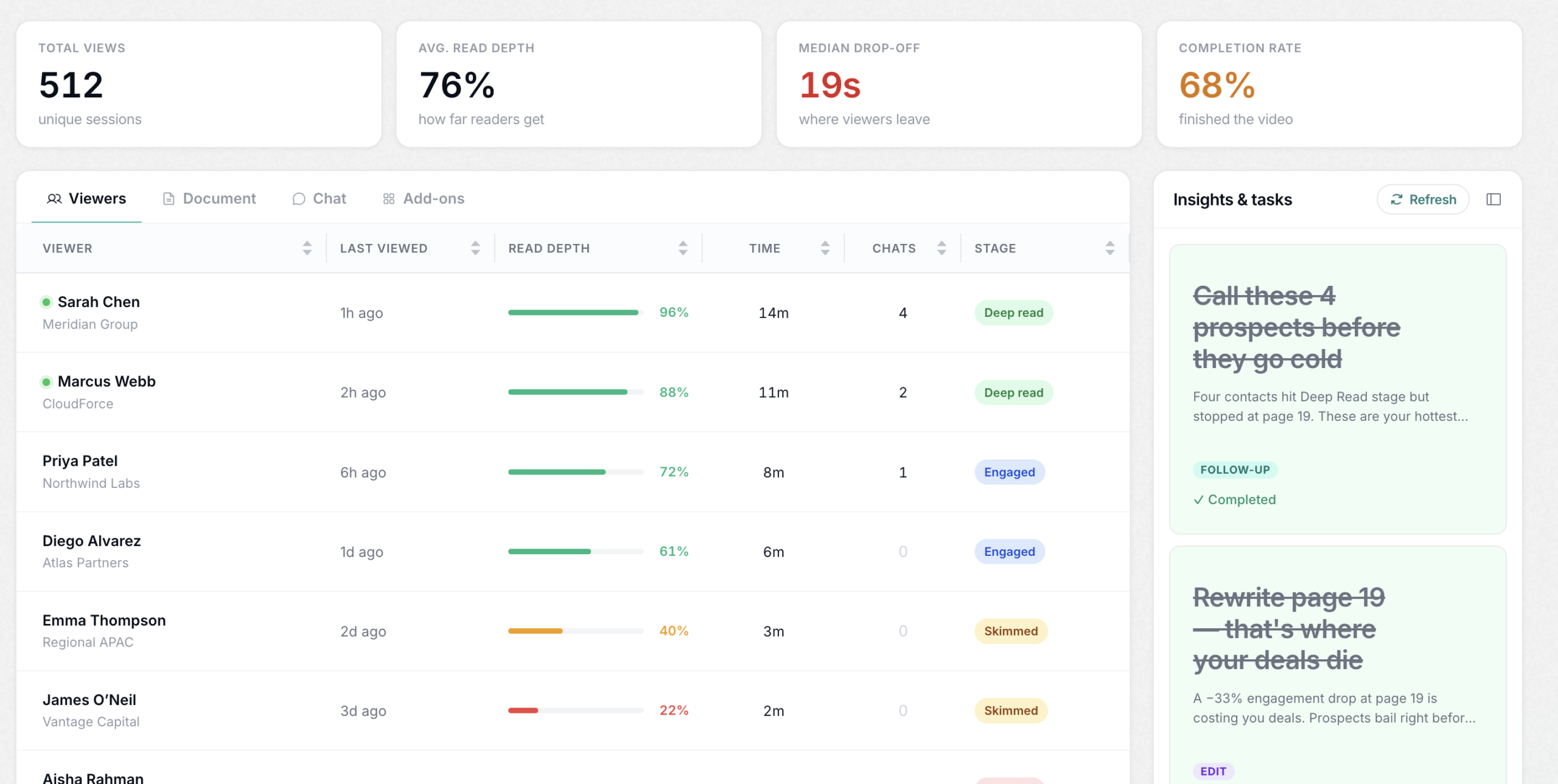
This layer records what happened between assignment and completion: which pages or sections were opened, how long someone spent on each one, and whether they could answer questions about the content. It is the layer that turns “assigned” into “understood.”
Content Version History
Policies and SOPs change. An audit trail needs to show which version of a document a person actually read, not just the current version. Without version history, a completion record from eighteen months ago cannot be matched to what the policy said at the time.
Embed: See a worked example of a training and compliance record built this way: explore the training and compliance deck (interactive demo; the Assets & Links tab flags this as a project link, please confirm public sharing is on before this post goes live).
How to Build an Audit Trail for Training Records From What You Already Have
You do not need a new LMS to start. Three practical steps get most compliance teams most of the way there.
First, route policy and SOP documents through a format that records reading behaviour at the section level, instead of a flat PDF download. Second, attach the specific document version to every assignment, so a completion record always points back to the exact text a person saw. Third, export the per-recipient log on a fixed schedule rather than assembling it only when an audit request arrives.
Libertify’s interactive course materials approach follows this pattern: it turns existing policy documents into trackable material and keeps the engagement and version history tied to each recipient automatically, rather than as a manual reconciliation exercise.
Completion Log vs Audit Trail: A Quick Comparison
| Completion log | Audit trail for training records | |
| What it records | Assigned date, completed date | Assigned date, reading behaviour, comprehension, document version |
| Granularity | Per course, per learner | Per section, per recipient, per document version |
| Survives a regulator’s follow-up question | Rarely on its own | Yes, with a named individual and timestamp |
| Typical source | Standard LMS export | Document intelligence and comprehension analytics layer |
FAQ
What is an audit trail for training records?
An audit trail for training records is a timestamped, per-recipient log showing what someone was assigned, what they engaged with, what they understood, and which version of the material they saw, built to answer a regulator’s or auditor’s follow-up questions.
Is a completion certificate the same as an audit trail?
No. A completion certificate shows a course was finished. An audit trail for training records goes further, recording engagement, comprehension and document version so the completion date can be backed up with evidence.
Does NIST or any standard actually require training records?
Yes. NIST’s SP 800-53 security and privacy controls catalogue includes a dedicated control, AT-4 Training Records, reflecting how standard it has become for major frameworks to expect individual, auditable training records rather than aggregate completion rates.
How often should the audit trail be exported or reviewed?
Export and review it on a fixed schedule, such as quarterly, rather than waiting for an audit request. That way gaps surface while they can still be fixed, not after a regulator has already asked.
What should I do if our current records only show completion dates?
Start capturing engagement and version history going forward, and say so plainly if a regulator asks about past cycles. A documented gap you are actively closing is a better position than records that look complete but cannot answer a follow-up question.