
Cybersecurity Considerations 2025: KPMG’s Essential Guide for CISOs and Business Leaders
Table of Contents
- The Ever-Evolving Role of the CISO: Cybersecurity Considerations for Executive Leadership
- The Power of the People: Addressing the Cybersecurity Talent Crisis
- Embedding Trust as AI Proliferates: Critical Cybersecurity Considerations for AI Governance
- Harnessing AI for Cyber Defense: Cybersecurity Considerations in AI-Powered Security
- Platform Consolidation: Streamlining Cybersecurity Considerations for Operational Efficiency
- The Digital Identity Imperative: Cybersecurity Considerations for Zero Trust Architecture
- Smart Security for Smart Ecosystems: IoT Cybersecurity Considerations in 2025
- Resilience by Design: Building Cybersecurity Considerations into Organizational DNA
- Quantum Computing and Emerging Threats: Future Cybersecurity Considerations
- Cybersecurity Considerations 2025: Strategic Actions for Organizations
- Navigating the Cybersecurity Considerations Landscape: A Five-Year Perspective
🔑 Key Takeaways
- The Ever-Evolving Role of the CISO: Cybersecurity Considerations for Executive Leadership — The role of the Chief Information Security Officer has undergone a profound transformation.
- The Power of the People: Addressing the Cybersecurity Talent Crisis — One of the most pressing cybersecurity considerations 2025 presents is the persistent and growing talent shortage.
- Embedding Trust as AI Proliferates: Critical Cybersecurity Considerations for AI Governance — The incorporation of AI across virtually every industrial sector brings to light the critical issue of embedding trust within AI models and processes.
- Harnessing AI for Cyber Defense: Cybersecurity Considerations in AI-Powered Security — While AI presents new risks, it also offers transformative capabilities for cyber defense.
- Platform Consolidation: Streamlining Cybersecurity Considerations for Operational Efficiency — A critical theme among the cybersecurity considerations 2025 identifies is the trend toward platform consolidation.
The Ever-Evolving Role of the CISO: Cybersecurity Considerations for Executive Leadership
The role of the Chief Information Security Officer has undergone a profound transformation. No longer confined to managing firewalls and incident response, today’s CISO must operate as a strategic business leader who bridges the gap between technical security operations and enterprise-wide risk management. The cybersecurity considerations 2025 report from KPMG highlights how CISOs are now expected to engage directly with boards of directors, translate complex threat intelligence into business language, and drive organizational change.

Modern CISOs face a multifaceted challenge. They must navigate ascending geopolitical complexities, including rising state-sponsored attacks and cross-border data flows. Legislative landscapes are shifting toward more localized regulations, presenting challenges for global security operations. This, coupled with the economic imperative to justify security budgets based on risk mitigation rather than return on investment alone, places CISOs in the precarious position of advocating for resources without traditional financial assurances.
The broad experience among today’s CISOs — both those who have weathered significant incidents and those who may have only faced minor skirmishes — underscores the need for a nuanced appreciation of the ever-fluid threat landscape. As the NIST Cybersecurity Framework emphasizes, successful security leadership requires continuous adaptation, proactive threat hunting, and a deep understanding of organizational risk appetite.
From Technical Expert to Business Strategist
The evolution of the CISO role reflects a broader trend in cybersecurity considerations for 2025: the convergence of technology risk and business risk. CISOs who can effectively communicate the financial impact of cyber threats, quantify risk in monetary terms, and align security investments with business objectives are positioning their organizations for success. This requires not just technical acumen but also skills in governance, regulatory compliance, and stakeholder management.
The Power of the People: Addressing the Cybersecurity Talent Crisis
One of the most pressing cybersecurity considerations 2025 presents is the persistent and growing talent shortage. The World Economic Forum’s Strategic Cybersecurity Talent Framework reveals that the global cybersecurity workforce gap continues to widen, leaving organizations vulnerable at the very moment when threats are escalating.
Today’s cybersecurity hurdles transcend the realm of traditional technical skills, necessitating a multidisciplinary approach that encompasses a deep understanding of risk management, as well as an array of soft skills such as problem-solving, critical thinking, and communication. Cybersecurity professionals can come from unconventional backgrounds and must be able to adapt quickly and acquire tangible knowledge beyond what is typically taught in traditional computer science or software engineering programs.
KPMG emphasizes that CISOs must rethink their approach to talent acquisition and development. This includes building diverse teams with varied skill sets, investing in continuous training programs, fostering a culture of security awareness across the entire organization, and creating career pathways that attract professionals from adjacent fields including law, psychology, and data science.
Building a Security-First Culture
Beyond hiring, the power of the people extends to creating organizational cultures where every employee understands their role in cybersecurity. Phishing attacks, social engineering, and insider threats remain among the most effective attack vectors precisely because they exploit human behavior rather than technical vulnerabilities. Organizations that invest in regular security awareness training, simulated attack exercises, and clear incident reporting procedures see measurably better security outcomes.
Embedding Trust as AI Proliferates: Critical Cybersecurity Considerations for AI Governance
The incorporation of AI across virtually every industrial sector brings to light the critical issue of embedding trust within AI models and processes. Among the most consequential cybersecurity considerations 2025 demands attention to is the establishment of thorough and robust AI governance programs through which CISOs can understand the various business cases, determine where and how AI is already being used in the organization, and identify the related vulnerabilities.
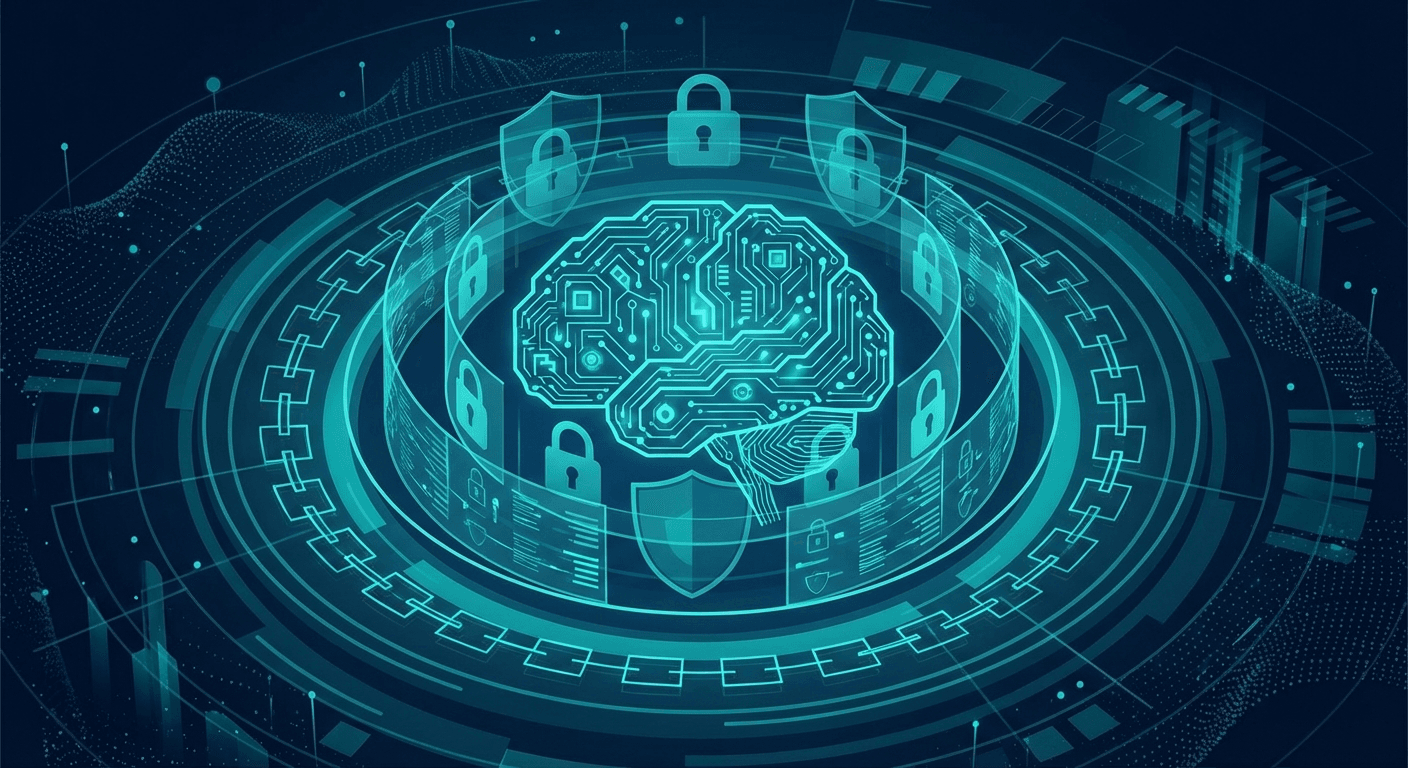
The challenge is compounded by the rapid proliferation of “shadow AI” — unauthorized or ungoverned AI tools being adopted across business units without proper security oversight. CISOs must develop comprehensive AI inventories, establish usage policies, and implement monitoring mechanisms that can detect and manage AI deployments across the enterprise.
The incorporation of AI across virtually every industrial sector brings to light the critical issue of embedding trust within AI models and processes by establishing a thorough and robust governance program. — KPMG Cybersecurity Considerations 2025
Effective AI governance for cybersecurity requires a framework that addresses data privacy, model integrity, algorithmic bias, and adversarial attacks. Organizations must ensure that AI systems are transparent, explainable, and auditable — not just at deployment but throughout their lifecycle. This aligns with emerging regulatory requirements including the EU AI Act and evolving guidance from bodies like NIST’s AI Risk Management Framework.
📊 Explore this analysis with interactive data visualizations
Harnessing AI for Cyber Defense: Cybersecurity Considerations in AI-Powered Security
While AI presents new risks, it also offers transformative capabilities for cyber defense. The KPMG report highlights how forward-thinking organizations are deploying AI to enhance threat detection, automate incident response, and predict emerging attack patterns. These cybersecurity considerations represent a paradigm shift from reactive to proactive security operations.
AI-powered security tools can analyze vast volumes of network traffic, identify anomalous behavior patterns, and correlate disparate threat indicators at speeds impossible for human analysts. Machine learning algorithms are being deployed to detect zero-day exploits, identify sophisticated phishing campaigns, and automate the triage of security alerts — reducing the burden on already stretched security teams.
However, KPMG cautions against over-reliance on AI without proper human oversight. The most effective approach combines AI-driven automation with human expertise, creating a hybrid model where AI handles high-volume, routine tasks while human analysts focus on complex investigations and strategic decision-making. This human-in-the-loop approach ensures that AI enhances rather than replaces critical security judgment.
AI in the SOC: Transforming Security Operations
Security Operations Centers are being revolutionized by AI integration. Automated playbooks, AI-driven threat hunting, and intelligent alert prioritization are enabling lean security teams to manage exponentially growing threat volumes. Organizations that successfully integrate AI into their SOC operations report significant improvements in mean time to detect (MTTD) and mean time to respond (MTTR) to security incidents.
Platform Consolidation: Streamlining Cybersecurity Considerations for Operational Efficiency
A critical theme among the cybersecurity considerations 2025 identifies is the trend toward platform consolidation. Organizations are moving from managing dozens of disparate security solutions in their SOC to a leaner suite of best-of-breed tools that integrate more effectively and economically while better leveraging new AI capabilities offered by leading platform providers.
The proliferation of point security solutions over the past decade has created significant operational challenges: integration complexity, alert fatigue, skill fragmentation, and escalating costs. Platform consolidation addresses these issues by reducing the number of vendors, simplifying security architectures, and enabling more cohesive data sharing across security functions.
KPMG notes that successful platform consolidation requires careful planning and a phased approach. Organizations must evaluate their current security stack, identify redundancies, assess integration capabilities, and select platforms that offer comprehensive coverage without sacrificing the specialized capabilities needed for their unique threat profile. The goal is not merely to reduce costs but to create a more agile, responsive, and intelligent security ecosystem.
The Digital Identity Imperative: Cybersecurity Considerations for Zero Trust Architecture
Digital identity has moved from traditional Identity Access Management (IAM) to the heart of Zero Trust strategies. The KPMG report identifies the digital identity imperative as one of the most transformative cybersecurity considerations for organizations implementing modern security architectures.
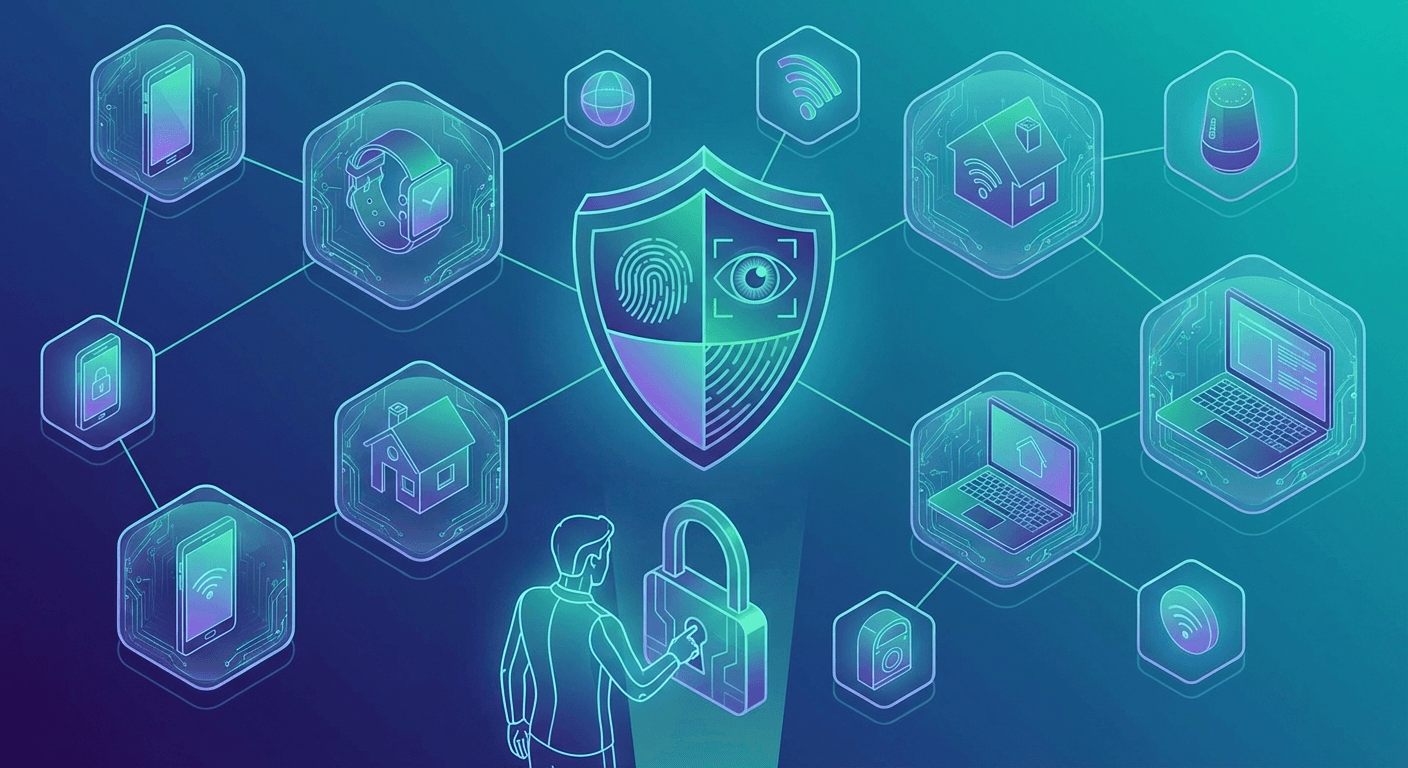
In a world where the traditional network perimeter has dissolved — accelerated by remote work, cloud migration, and the proliferation of connected devices — identity has become the new security perimeter. Zero Trust principles demand that every access request is verified regardless of its origin, making robust identity management the foundation of effective cybersecurity.
The advent of deepfakes and sophisticated social engineering attacks makes identity verification more challenging and more critical than ever. Organizations must implement multi-factor authentication, continuous identity verification, behavioral analytics, and advanced biometric solutions to ensure that digital identities are authentic and trustworthy. As the World Economic Forum Centre for Cybersecurity emphasizes, digital identity is a cornerstone of secure digital transformation.
Decentralized Identity and Emerging Standards
Looking ahead, decentralized identity solutions powered by blockchain technology and verifiable credentials are emerging as promising approaches to identity management. These technologies offer users greater control over their personal data while providing organizations with more reliable identity verification mechanisms — a win-win for both privacy and security.
📊 Explore this analysis with interactive data visualizations
Smart Security for Smart Ecosystems: IoT Cybersecurity Considerations in 2025
The proliferation of smart products — from automobiles and medical instrumentation to home appliances and other Internet of Things devices — continues to expand the attack surface, aligning physical and digital threats in unprecedented ways. These cybersecurity considerations 2025 highlights are particularly urgent as the number of connected devices grows exponentially.
Smart ecosystem security requires a fundamentally different approach from traditional IT security. IoT devices often have limited computational resources, making it impossible to deploy conventional security agents. Many operate with minimal encryption, default credentials, and infrequent firmware updates — creating a vast landscape of potential entry points for attackers.
KPMG recommends that organizations adopt a comprehensive approach to smart ecosystem security that includes device inventory management, network segmentation, continuous monitoring, and supply chain risk assessment. The convergence of operational technology (OT) and information technology (IT) security is essential, requiring cross-functional collaboration and new skill sets that bridge both domains.
Explore how leading organizations are addressing these challenges through interactive learning experiences in our interactive library, where complex cybersecurity concepts are transformed into engaging, actionable insights.
Resilience by Design: Building Cybersecurity Considerations into Organizational DNA
Perhaps the most foundational of all cybersecurity considerations in the KPMG report is the concept of resilience by design. Rather than treating security as an afterthought or a compliance checkbox, organizations must embed cyber resilience into every aspect of their operations — from product development and supply chain management to employee training and incident response planning.
Cyber resilience goes beyond prevention to encompass preparation, response, and recovery. It acknowledges that breaches will occur and focuses on minimizing their impact while maintaining business continuity. This requires regular testing of incident response plans, business continuity exercises, and scenario-based simulations that prepare organizations for a wide range of cyber events.
The KPMG report emphasizes that resilience by design also requires strong board-level engagement and governance. Boards must understand cyber risk, set appropriate risk appetites, and hold management accountable for implementing effective resilience measures. This top-down approach ensures that cybersecurity is treated as a strategic priority rather than solely a technical function.
Quantum Computing and Emerging Threats: Future Cybersecurity Considerations
Looking beyond the immediate horizon, the KPMG report highlights several emerging threats that will shape cybersecurity considerations in the coming years. The rise of quantum computing poses a particularly significant challenge, as quantum-capable attackers could potentially circumvent current encryption tools at alarming speeds, compromising everything from banking transactions to business communications.
The potential for “superintelligent” AI systems — which perpetually improve and expand their knowledge while protecting themselves when sensing danger — represents another frontier that CISOs must prepare for. Combined with the velocity at which misinformation spreads through deepfake audio and video content, these emerging threats highlight the urgent need for innovation and strategic foresight.
Organizations are advised to begin quantum-readiness planning now, including inventorying cryptographic dependencies, testing post-quantum cryptographic algorithms, and developing migration roadmaps. The principle of “harvest now, decrypt later” — where adversaries collect encrypted data today with the intention of decrypting it once quantum capabilities mature — makes early preparation essential.
Cybersecurity Considerations 2025: Strategic Actions for Organizations
KPMG’s report concludes with a set of strategic recommendations that synthesize the eight key cybersecurity considerations into actionable guidance for organizations of all sizes:
- Elevate the CISO role to a strategic business position with direct board access and adequate resources
- Invest in people by building diverse security teams, investing in continuous training, and fostering security-aware cultures
- Govern AI proactively by establishing comprehensive AI governance frameworks before AI adoption outpaces security controls
- Leverage AI for defense by deploying AI-powered security tools while maintaining human oversight and judgment
- Consolidate security platforms to reduce complexity, improve integration, and enable more effective AI-driven security operations
- Prioritize digital identity as the cornerstone of Zero Trust architecture and modern access management
- Secure smart ecosystems by bridging IT and OT security and implementing comprehensive IoT security programs
- Build resilience by design by embedding cyber resilience into organizational culture, processes, and technology infrastructure
Discover more expert analyses on cybersecurity, AI governance, and digital transformation in our interactive library collection.
Navigating the Cybersecurity Considerations Landscape: A Five-Year Perspective
The KPMG report offers valuable context by examining how cybersecurity considerations have evolved over the past five years (2020-2025). This retrospective reveals how the COVID-19 pandemic normalized remote work and made cloud and AI security key CISO objectives. Talent and the skills gap have remained consistently critical throughout this period, while identity has moved from traditional IAM to the heart of Zero Trust strategies.
Resilience has emerged as an essential objective that will remain central going forward. CISOs have continuously worked to reinforce security as cyber threats have transformed into far-reaching business threats with the potential to disrupt industries and cause harm to society. The 2024 CrowdStrike incident and the implementation of the EU AI Act are among the landmark events that have shaped current cybersecurity thinking.
This historical perspective is invaluable for organizations developing long-term security strategies. By understanding the trajectory of cybersecurity evolution, leaders can better anticipate future challenges and invest proactively rather than reactively — a core principle that runs throughout the KPMG report.
Discover More in Our Interactive Library
📊 Explore this analysis with interactive data visualizations
Frequently Asked Questions
What are the 8 key cybersecurity considerations for 2025 according to KPMG?
KPMG identifies eight key cybersecurity considerations for 2025: the ever-evolving role of the CISO, the power of the people (talent and workforce), embedding trust as AI proliferates, harnessing AI for cyber defense, platform consolidation, the digital identity imperative, smart security for smart ecosystems, and resilience by design.
Why do CEOs view cybersecurity as the top threat in 2025?
According to KPMG’s 2024 Global CEO Outlook, CEOs view cybersecurity as the top threat over the last decade because cyber risks have evolved from purely technical issues into broad business threats that can disrupt entire industries, compromise customer trust, and cause significant financial and reputational damage.
How should CISOs approach AI governance in their cybersecurity strategy?
CISOs should establish thorough and robust AI governance programs that help them understand various business cases for AI, determine where and how AI is already being used across the organization, identify related vulnerabilities including shadow AI, and embed trust within AI models and processes through continuous monitoring and risk assessment.
What is platform consolidation in cybersecurity and why does it matter?
Platform consolidation in cybersecurity refers to the trend of organizations moving from dozens of disparate security solutions in their SOC to a leaner suite of best-of-breed integrated tools. This matters because it reduces complexity, improves operational efficiency, lowers costs, and enables better leverage of AI capabilities offered by leading security platform providers.
What role does digital identity play in modern cybersecurity considerations?
Digital identity has moved from traditional identity access management (IAM) to the heart of Zero Trust strategies. In 2025, it is essential for verifying digital identities, detecting deepfakes, managing cross-border data flows, and ensuring that only authenticated and authorized users access critical systems and data.




