
—
0:00
KPMG CEO Outlook 2025: Technology and Telecom Leaders Bet on AI
Table of Contents
- KPMG CEO Outlook 2025: A Sector Approaching the Future with Confidence
- AI Investment Priorities: Why 71% of Tech CEOs Make AI Their Top Focus
- Agentic AI: The Next Frontier for Technology and Telecom Companies
- Technology CEO Growth Strategies and M&A Outlook for 2026
- Workforce Transformation: Bridging the AI Skills Gap in Tech
- ESG Strategy: How Tech CEOs Balance Compliance and Value Creation
- Regulatory Compliance: Navigating the Global AI Governance Landscape
- Cybersecurity and Trust: Building Resilience in the AI Era
- Strategic Outlook: What the KPMG CEO Outlook 2025 Means for Investors
🔑 Key Takeaways
- KPMG CEO Outlook 2025: A Sector Approaching the Future with Confidence — The KPMG 2025 CEO Outlook for Technology and Telecommunications represents one of the most comprehensive surveys of sector leadership sentiment, capturing insights from 230 CEOs—120 from technology companies and 110 from telecommunications firms—across 11 key markets worldwide.
- AI Investment Priorities: Why 71% of Tech CEOs Make AI Their Top Focus — Artificial intelligence dominates the KPMG CEO Outlook 2025, with 71% of technology and telecommunications CEOs identifying AI as a top investment priority.
- Agentic AI: The Next Frontier for Technology and Telecom Companies — Perhaps the most forward-looking finding in the KPMG CEO Outlook 2025 is the overwhelming enthusiasm for agentic AI.
- Technology CEO Growth Strategies and M&A Outlook for 2026 — The growth confidence expressed in the KPMG CEO Outlook 2025 is backed by concrete strategic actions.
- Workforce Transformation: Bridging the AI Skills Gap in Tech — The KPMG CEO Outlook 2025 reveals that workforce transformation is one of the most pressing challenges facing technology and telecom leaders.
KPMG CEO Outlook 2025: A Sector Approaching the Future with Confidence
The KPMG 2025 CEO Outlook for Technology and Telecommunications represents one of the most comprehensive surveys of sector leadership sentiment, capturing insights from 230 CEOs—120 from technology companies and 110 from telecommunications firms—across 11 key markets worldwide. Conducted between August and September 2025, this study provides a unique window into how the leaders of the world’s most dynamic industries are navigating an era defined by artificial intelligence, geopolitical complexity, and accelerating digital transformation.
The overarching finding is one of measured confidence. A remarkable 80% of technology and telecom CEOs express confidence in their companies’ growth prospects, while 83% are optimistic about the sector’s trajectory overall. This isn’t blind optimism—it’s grounded in concrete investment strategies centered on AI, strategic M&A, and workforce modernization. Growth expectations have strengthened considerably, with 40% of CEOs now anticipating “robust” earnings growth compared to just 29% in 2024.
However, beneath this confidence lies a sophisticated understanding of the challenges ahead. CEOs acknowledge that regulatory compliance, ethical AI deployment, cybersecurity threats, and energy demands all require careful navigation. The KPMG CEO Outlook 2025 captures a sector that is simultaneously leading the technological revolution and grappling with its consequences—a tension that defines the strategic landscape for technology and telecom in 2026 and beyond.
AI Investment Priorities: Why 71% of Tech CEOs Make AI Their Top Focus
Artificial intelligence dominates the KPMG CEO Outlook 2025, with 71% of technology and telecommunications CEOs identifying AI as a top investment priority. This figure represents more than a trend—it signals a fundamental reorientation of corporate strategy around AI capabilities. Companies are moving beyond pilot programs and experimental deployments to embed AI into core business processes, revenue models, and competitive positioning.
The investment thesis is clear: AI enables companies to automate processes, improve operational efficiencies, and create entirely new revenue streams through innovative products and services. CEOs report that their companies are “putting their money where their mouths are,” deploying substantial capital toward AI infrastructure, talent acquisition, and technology platforms. The scale of investment reflects a recognition that AI leadership will determine market position for the next decade.
Yet the survey also reveals significant concerns. Ethical challenges are cited as the single greatest barrier to successful AI implementation—a finding that underscores the complexity of deploying AI at enterprise scale. CEOs worry about algorithmic bias, data privacy, intellectual property implications, and the broader societal impact of AI-driven decision-making. These concerns don’t slow investment; rather, they shape how that investment is governed and deployed. As explored in McKinsey’s State of AI analysis, the gap between AI leaders and laggards continues to widen, making early and strategic investment critical.
The intersection of AI investment with M&A strategy is particularly noteworthy. With 43% of CEOs displaying high appetite for transformative acquisitions, the primary motivation has shifted from customer acquisition to accessing AI talent and infrastructure. This represents a profound change in how technology companies build competitive advantage, increasingly through acquisition of AI capabilities rather than organic development alone.
Agentic AI: The Next Frontier for Technology and Telecom Companies
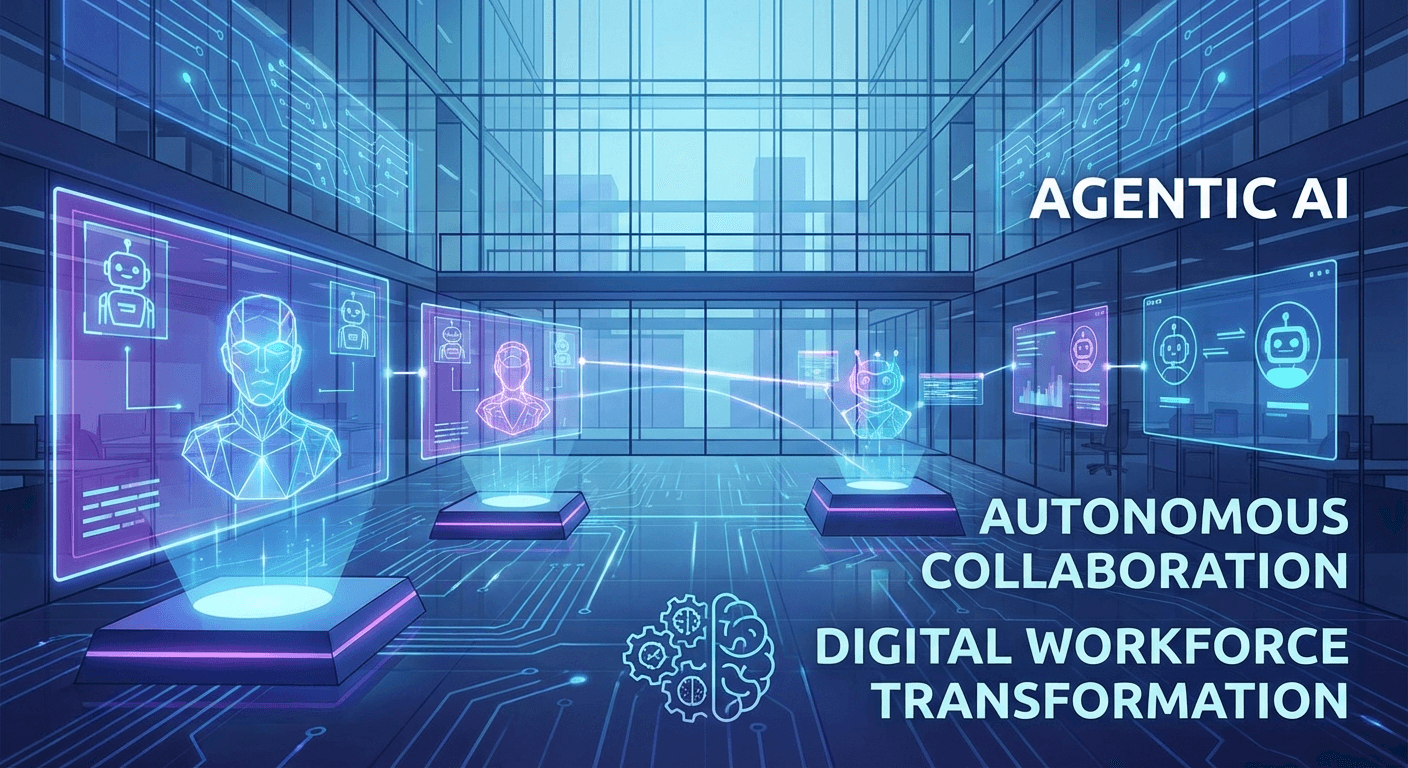
Perhaps the most forward-looking finding in the KPMG CEO Outlook 2025 is the overwhelming enthusiasm for agentic AI. A striking 67% of CEOs believe agentic AI will have a “transformational” or “significant” impact on their organizations. This marks a decisive shift in the AI conversation from generative AI—which focuses on content creation and analysis—to autonomous AI agents capable of independent decision-making and task execution.
Agentic AI represents a qualitative leap in enterprise capabilities. Unlike traditional AI that requires human prompting and oversight for each task, agentic systems can autonomously plan, execute, and adapt complex workflows. For technology companies, this means AI that can manage software development pipelines, coordinate supply chain logistics, and optimize network operations with minimal human intervention. For telecommunications firms, agentic AI promises self-healing networks, predictive maintenance, and automated customer service at unprecedented scale.
The implications for business model innovation are profound. CEOs envision agentic AI enabling entirely new service categories—from AI-powered consulting to autonomous infrastructure management. Companies that successfully deploy agentic AI will enjoy structural cost advantages and capability moats that traditional competitors cannot easily replicate. However, the governance challenges are equally significant, as autonomous AI systems require robust frameworks for accountability, transparency, and error correction.
This enthusiasm for agentic AI also explains the aggressive M&A posture noted in the survey. Acquiring agentic AI capabilities—including specialized talent, proprietary datasets, and proven deployment frameworks—is seen as faster and more effective than building from scratch. The race to deploy agentic AI at scale is reshaping competitive dynamics across the technology and telecommunications landscape, as discussed in the analysis of large language model capabilities.
📊 Explore this analysis with interactive data visualizations
Technology CEO Growth Strategies and M&A Outlook for 2026
The growth confidence expressed in the KPMG CEO Outlook 2025 is backed by concrete strategic actions. The jump from 29% to 40% of CEOs expecting robust earnings growth signals that technology and telecommunications companies are seeing tangible returns on their technology investments. This isn’t aspirational—it’s evidence-based optimism rooted in improving revenue trajectories and margin expansion through AI-driven efficiencies.
M&A remains a cornerstone of growth strategy, with 43% of CEOs indicating high appetite for transformative deals. The strategic rationale has evolved significantly. While traditional technology M&A focused on acquiring customer bases, market share, or complementary product lines, the 2025 survey reveals a new priority: acquiring AI talent and infrastructure. This shift reflects the acute scarcity of AI expertise globally and the recognition that building world-class AI capabilities organically can take years that competitive markets may not afford.
The geographic dimension of these growth strategies is equally important. With the survey covering CEOs from 11 key markets including the US, UK, Germany, France, Japan, and China, the findings reflect a truly global perspective. Technology companies are navigating divergent regulatory environments—from the EU’s AI Act to varying data localization requirements—while pursuing growth across borders. Telecommunications firms face additional complexity around spectrum allocation, network sharing regulations, and national security considerations.
For investors and board members, the KPMG data suggests that technology and telecom companies offering the strongest combination of organic AI capabilities and strategic acquisition track records will deliver superior returns. The Goldman Sachs annual analysis provides complementary perspective on how capital markets are pricing these strategic capabilities.
Workforce Transformation: Bridging the AI Skills Gap in Tech
The KPMG CEO Outlook 2025 reveals that workforce transformation is one of the most pressing challenges facing technology and telecom leaders. While 49% of CEOs report investing in AI education and training across their organizations, 39% identify bridging the gap between existing and desired skills as a major challenge in attracting and retaining AI and digital talent. This skills gap represents both a constraint on growth and an opportunity for companies that solve it effectively.
The challenge extends beyond technical skills. CEOs emphasize the need to “win hearts and minds” during the AI transformation—a recognition that successful AI deployment requires cultural change as much as technical capability. Employees across all levels must understand how AI will change their roles, acquire new skills to work alongside AI systems, and embrace rather than resist the transformation. Companies that manage this human dimension effectively will extract significantly more value from their AI investments.
The intergenerational dimension adds further complexity. The workforce spans digital natives who expect AI-powered tools as standard to experienced professionals whose deep domain expertise is invaluable but whose technical fluency may need updating. CEOs report needing to satisfy employees of different ages and experience levels with compelling career opportunities that leverage both human expertise and AI capabilities. This balancing act requires sophisticated talent management strategies that go beyond traditional training programs.
Companies are increasingly willing to seek external support for AI integration, recognizing that internal capabilities alone may be insufficient. Partnerships with AI specialists, academic institutions, and consulting firms are becoming standard practice. The survey suggests that the companies investing most aggressively in workforce transformation—not just in tools and technology—will emerge as the sector’s leaders in the coming years.

ESG Strategy: How Tech CEOs Balance Compliance and Value Creation
Environmental, social, and governance (ESG) considerations occupy a nuanced position in the KPMG CEO Outlook 2025. While 53% of technology and telecom CEOs prioritize ESG compliance and reporting to meet investor and regulatory expectations, only 25% fully integrate sustainability costs and potential ROI into every major capital decision. This gap between compliance-driven ESG and value-integrated ESG represents a significant opportunity for forward-thinking companies.
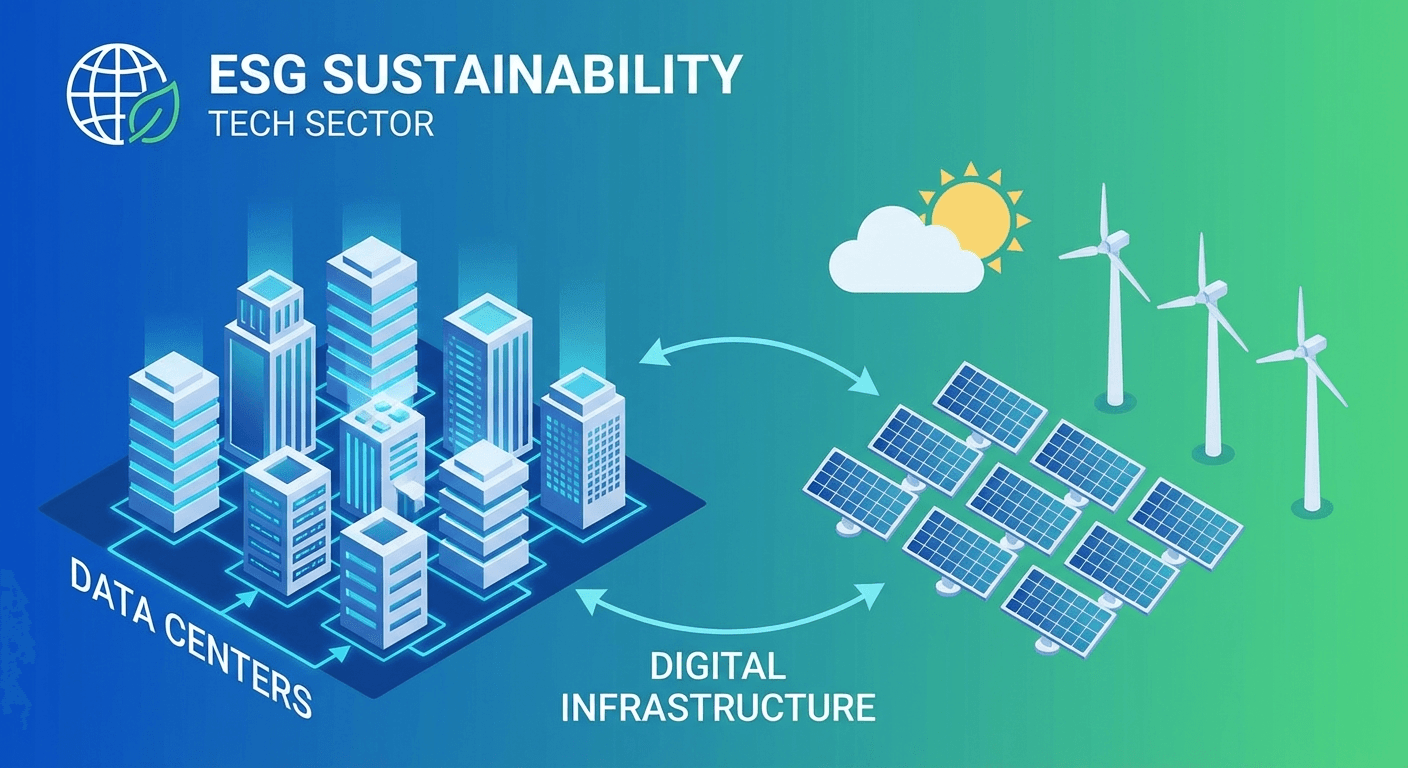
The energy dimension is particularly critical for the technology sector. As AI workloads drive exponential growth in computing demand, data center energy consumption is becoming both a sustainability challenge and a business risk. CEOs acknowledge that their sector’s “thirst for energy continues to rise” and that sourcing reliable, affordable, and sustainable energy is a strategic imperative. Companies leading in renewable energy procurement and energy-efficient computing are gaining both cost advantages and stakeholder credibility.
The survey reveals geographic divergence in ESG attitudes. While sustainability has “taken a back seat in certain geographies,” it remains an imperative in markets with strong regulatory frameworks—particularly in Europe and parts of Asia Pacific. This creates complexity for global technology companies that must maintain consistent ESG standards across markets with varying expectations. The Financial Services Regulatory Outlook 2026 offers parallel insights into how regulatory frameworks are driving ESG integration across industries.
CEOs express broad optimism about their ability to hit net zero targets, but candidly acknowledge needing more technical skills in sustainability disciplines. This admission creates opportunities for ESG technology providers, sustainability consultants, and companies developing AI-powered solutions for emissions tracking, energy optimization, and supply chain sustainability. The intersection of AI and ESG—using technology to accelerate sustainability outcomes—represents one of the most promising areas for innovation in the sector.
📊 Explore this analysis with interactive data visualizations
Regulatory Compliance: Navigating the Global AI Governance Landscape
Regulatory compliance emerges as a high-priority concern in the KPMG CEO Outlook 2025, with technology and telecom CEOs acutely aware of the evolving governance landscape. The regulatory environment for AI is fragmenting along geographic lines, with the EU AI Act establishing the most comprehensive framework, while the US, China, and other markets develop their own approaches. For global technology companies, this creates a compliance matrix of extraordinary complexity.
Data privacy regulations continue to multiply, with new frameworks emerging across Asia, Latin America, and Africa that add to the compliance burden established by GDPR and similar regimes. Tariff and trade restrictions add another layer, as geopolitical tensions increasingly manifest through technology export controls, data localization requirements, and restrictions on where companies can invest and operate. CEOs report that these constraints are actively shaping their AI deployment strategies and geographic investment decisions.
Antitrust scrutiny is intensifying, particularly for the largest technology companies. Regulators globally are examining market concentration in AI model development, cloud infrastructure, and digital advertising. Telecommunications companies face additional regulatory complexity around spectrum allocation, network sharing mandates, and universal service obligations. The cumulative regulatory burden is significant, but CEOs view compliance as a necessary investment in maintaining their license to operate and stakeholder trust. The KPMG AI and technology insights hub provides additional perspective on how companies are navigating these regulatory challenges.
The strategic implication is clear: companies that build regulatory compliance as a core capability—not a reactive function—will have significant competitive advantages. Proactive compliance enables faster market entry, smoother product launches, and stronger relationships with regulators and policymakers. As the banking risk management analysis demonstrates, industries that master regulatory complexity can transform compliance from a cost center into a competitive advantage.
Cybersecurity and Trust: Building Resilience in the AI Era
Trust and security form a critical undercurrent throughout the KPMG CEO Outlook 2025. Technology and telecom CEOs recognize that as AI becomes more pervasive—particularly with the advent of agentic AI—the stakes for cybersecurity and data integrity rise exponentially. The survey highlights that maintaining “integrity and confidence in products and outputs in a world where increasingly more outcomes are determined by AI” is a fundamental leadership challenge.
The cybersecurity threat landscape is evolving in tandem with AI capabilities. While AI enables more sophisticated defensive capabilities—from anomaly detection to predictive threat intelligence—it also empowers attackers with more sophisticated tools for social engineering, code exploitation, and automated attack campaigns. This arms race between AI-powered offense and defense demands continuous investment and innovation in cybersecurity capabilities. The World Economic Forum’s Global Cybersecurity Outlook provides additional context on these evolving threats.
For telecommunications companies specifically, network security carries national security implications that add regulatory and reputational dimensions to the cybersecurity challenge. As 5G and emerging 6G networks become critical infrastructure for healthcare, transportation, energy, and financial services, any security breach carries cascading consequences across the economy. CEOs are responding with increased investment in zero-trust architectures, AI-powered security operations centers, and collaborative threat intelligence sharing.
The trust dimension extends beyond cybersecurity to encompass AI governance more broadly. CEOs understand that stakeholder trust—from customers, employees, regulators, and investors—depends on demonstrating responsible AI deployment. This includes transparency about how AI makes decisions, accountability frameworks when AI errors occur, and proactive communication about the safeguards in place. Companies that build and maintain this trust will enjoy stronger market positions and more supportive regulatory relationships.
Strategic Outlook: What the KPMG CEO Outlook 2025 Means for Investors
The KPMG CEO Outlook 2025 provides actionable intelligence for investors seeking to understand technology and telecom sector dynamics. The combination of high growth confidence (80% optimistic), aggressive AI investment (71% making it a top priority), and strong M&A appetite (43% seeking transformative deals) creates a sector poised for significant capital deployment and value creation.
For equity investors, the key differentiators to watch are: AI deployment maturity (companies with production-scale AI versus those still in pilot phase), workforce transformation progress (those effectively bridging the skills gap versus those struggling with talent retention), and ESG integration depth (companies genuinely embedding sustainability into capital decisions versus compliance-only approaches). These factors will increasingly determine which companies command premium valuations.
The M&A outlook creates opportunities for both acquirers and targets. Companies with strong AI talent, proprietary datasets, or proven agentic AI deployments will attract significant acquisition interest. Conversely, well-capitalized technology giants will continue to use M&A as a strategic tool for capability building, creating opportunities for investors in potential acquisition targets. The Bain Global Private Equity Report offers complementary perspective on deal dynamics in the technology sector.
Looking ahead, the KPMG data suggests that the technology and telecommunications sector will remain a primary destination for institutional capital. The sector’s unique position at the intersection of AI innovation, digital infrastructure, and connectivity makes it essential for any growth-oriented portfolio. However, investors must be selective—focusing on companies that combine AI leadership with strong governance, workforce capabilities, and sustainability commitment—to capture the full value opportunity.
📊 Explore this analysis with interactive data visualizations
Frequently Asked Questions
What are the key findings from the KPMG CEO Outlook 2025 for technology and telecom?
The KPMG CEO Outlook 2025 shows 80% of tech and telecom CEOs are confident in company growth, 71% consider AI a top investment priority, and 67% see agentic AI having transformational impact. M&A appetite remains high at 43%, primarily to access AI talent and infrastructure. Growth expectations have risen significantly, with 40% anticipating robust earnings versus 29% in 2024.
How are technology CEOs investing in artificial intelligence in 2025?
Technology CEOs are investing heavily in AI with 71% making it a top priority. Companies are deploying agentic AI for autonomous decision-making, automating complex processes, and creating new revenue streams through innovative products. However, ethical challenges are cited as the single greatest barrier to successful AI implementation, requiring robust governance frameworks.
What workforce challenges do tech CEOs face with AI adoption?
49% of CEOs are investing in AI education across their workforce, while 39% cite bridging the skills gap as a major challenge. Key issues include balancing human intelligence with AI, managing intergenerational workforce needs, and winning employee hearts and minds during transformation. External partnerships for AI integration are becoming standard practice.
How important is ESG for technology and telecommunications companies in 2025?
53% of tech CEOs prioritize ESG compliance and reporting for investor and regulatory expectations, but only 25% fully integrate sustainability costs and ROI into capital decisions. Rising energy demands from AI workloads make sustainable energy sourcing a strategic imperative. CEOs are optimistic about net zero targets but acknowledge needing more technical sustainability skills.
What is the M&A outlook for tech and telecom according to KPMG?
43% of technology and telecom CEOs display high appetite for transformative M&A in 2025. The strategic rationale has shifted from acquiring customers to accessing AI talent and infrastructure. This reflects the acute scarcity of AI expertise globally and the recognition that building world-class AI capabilities organically takes years the market may not afford.



