How to Reduce Support Ticket Volume: 8 Proven Strategies for CS Teams
The pressure to reduce support ticket volume has never been greater for customer success and support teams. With support costs averaging $15-25 per ticket and growing 23% annually, organizations need systematic approaches to deflect tickets while maintaining exceptional customer experiences.
Companies successfully implementing ticket reduction strategies report 40-60% decreases in volume within six months, simultaneously improving customer satisfaction scores and reducing operational costs. The key lies in understanding why customers create tickets and addressing root causes rather than just processing requests more efficiently.
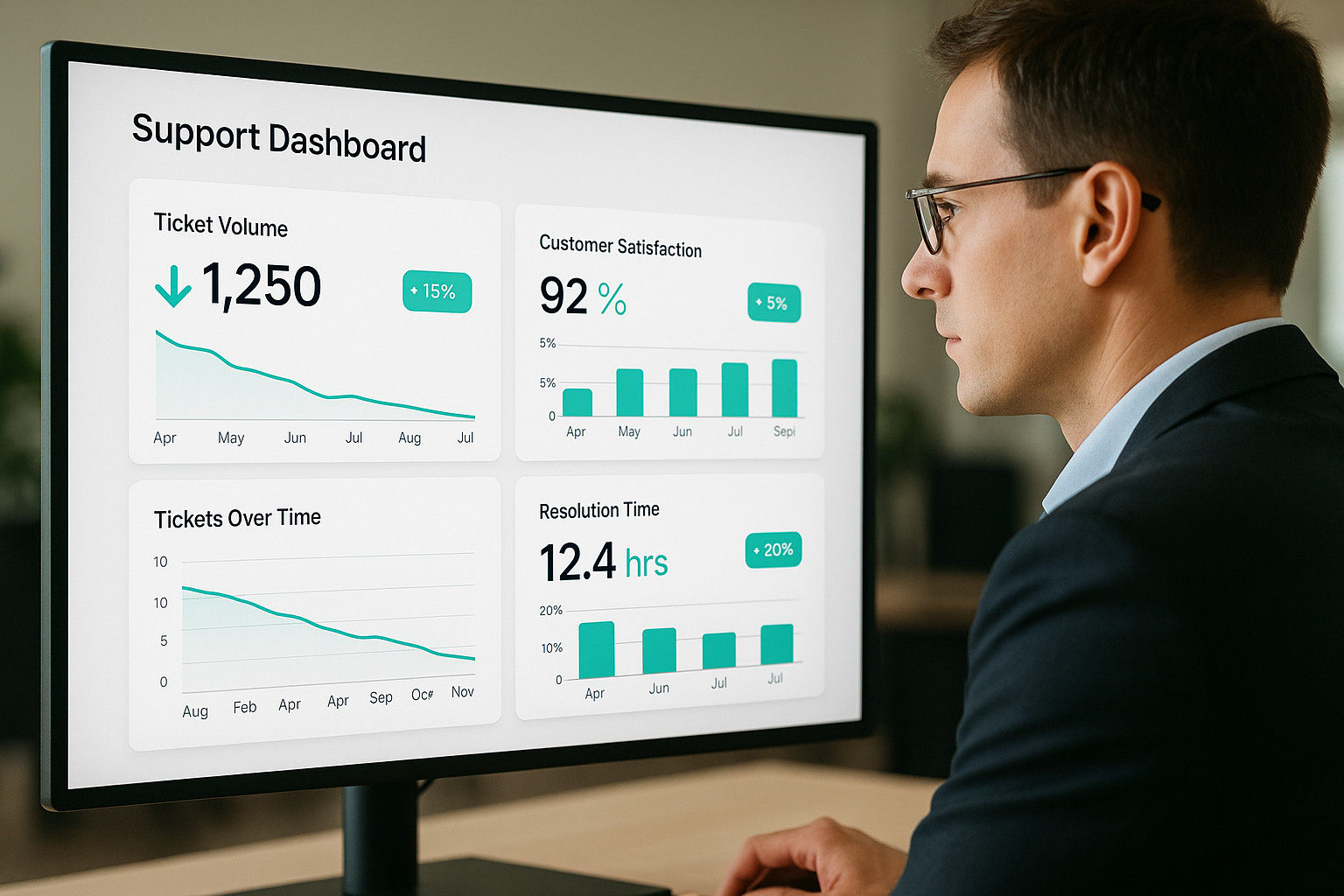
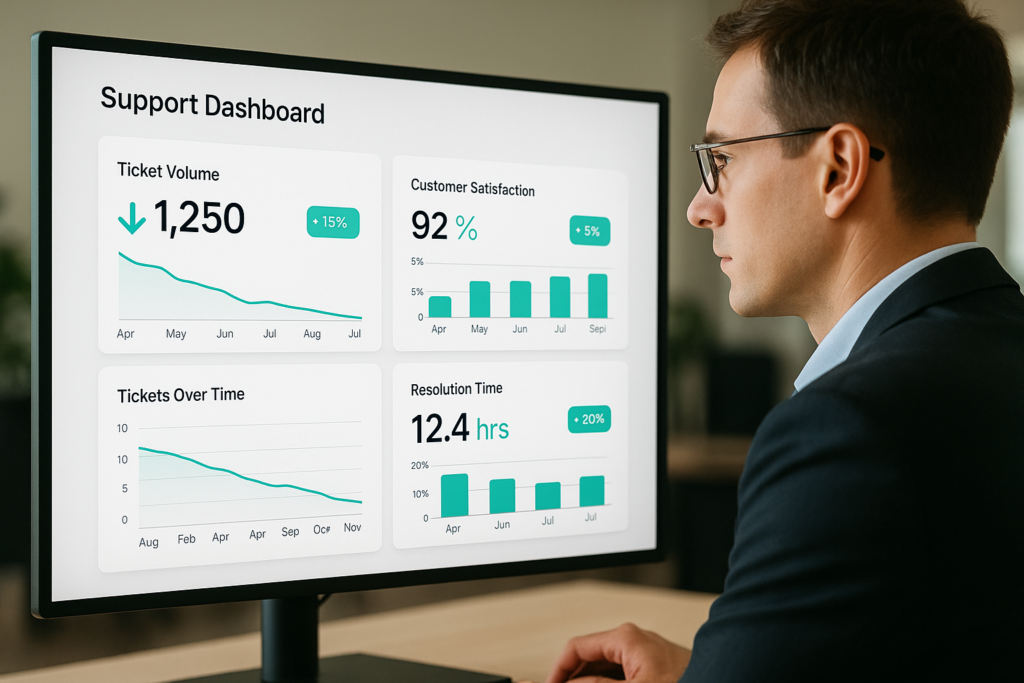
Support dashboard showing declining ticket volume trends with upward customer satisfaction metrics
Understanding the True Cost of Support Tickets
Before implementing strategies to reduce support ticket volume, CS leaders must quantify the full impact of ticket overhead:
- Direct handling costs: Agent time, system resources, and management oversight
- Customer opportunity costs: Time spent seeking help instead of using your product
- Team productivity impact: Context switching and escalation management
- Customer experience degradation: Frustration from needing to contact support
Zendesk – The True Cost of Customer Support
Research from Gartner indicates that every prevented support ticket saves organizations $22 on average while increasing customer lifetime value by 12% through improved self-sufficiency and product adoption.
Root Cause Analysis: Why Customers Create Tickets
Effective strategies to reduce support ticket volume start with understanding ticket drivers:
Product-Related Issues (45% of tickets)
- UI/UX confusion causing user errors and repeated questions
- Missing or unclear documentation for common use cases
- Feature gaps requiring workaround explanations
- Integration complications with third-party systems
Process and Communication Issues (35% of tickets)
- Onboarding gaps leaving customers unprepared for self-service
- Change communication failures surprising users with updates
- Account management confusion around billing, permissions, and settings
- Status updates requests for ongoing processes or issues
Educational and Training Gaps (20% of tickets)
- Best practices knowledge needed for optimal product usage
- Advanced feature adoption requiring guided learning
- Industry-specific use cases not covered in standard documentation
- Team training needs for multiple user onboarding
Strategy 1: Proactive Self-Service Knowledge Management
The most effective approach to reduce support ticket volume involves comprehensive self-service resources:
Advanced Knowledge Base Architecture
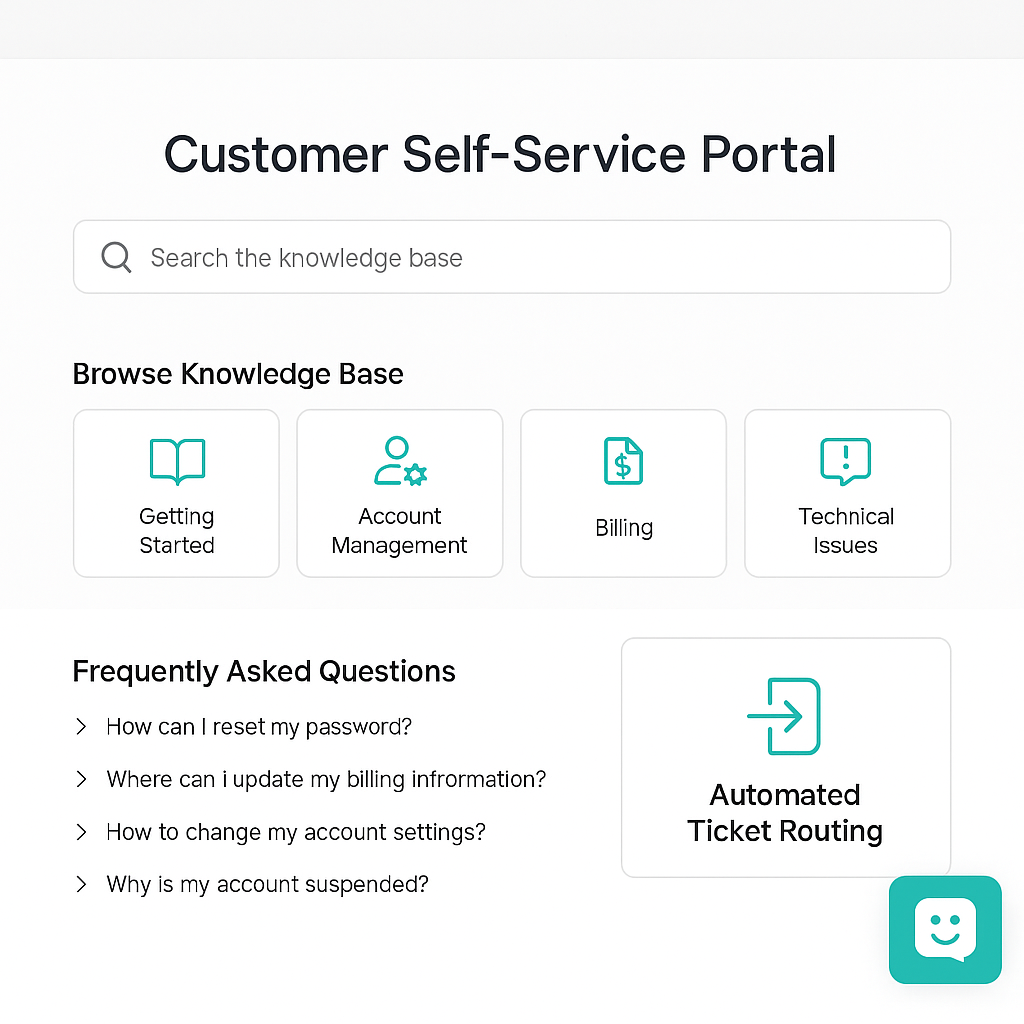
- Searchable FAQ systems with natural language processing
- Video tutorial libraries for visual learners and complex processes
- Interactive guides that walk users through specific tasks
- Community forums where customers help each other
Content Optimization for Discoverability
- SEO-optimized help articles ranking high in search results
- In-app contextual help appearing when users encounter difficulties
- Progressive disclosure preventing information overload
- Multi-format content accommodating different learning preferences
Transform your customer support with Libertify’s intelligent help desk automation that anticipates customer needs.
Strategy 2: Intelligent Ticket Deflection Systems
Modern AI-powered systems can reduce support ticket volume through smart deflection:
Chatbot and Virtual Assistant Implementation
- Natural language processing understanding customer intent accurately
- Dynamic response generation providing personalized guidance
- Escalation logic routing complex issues to human agents seamlessly
- Learning algorithms improving responses based on interaction patterns
Predictive Help Systems
- Behavioral analysis identifying users likely to need assistance
- Proactive intervention with helpful resources before frustration builds
- Smart notifications alerting users to relevant help content
- Usage pattern recognition suggesting optimal workflows
Strategy 3: Product-Led Support Integration
To reduce support ticket volume, integrate support thinking into product development:
User Experience Optimization
- Friction point identification through user journey mapping
- Intuitive design patterns reducing the need for instructions
- Error prevention systems catching mistakes before they cause confusion
- Progressive onboarding introducing complexity gradually
In-Product Guidance Systems
- Contextual tooltips explaining features at point of use
- Workflow wizards guiding users through complex processes
- Smart defaults reducing configuration decisions
- Real-time validation preventing common input errors
Strategy 4: Communication and Change Management Excellence
Poor communication is a major driver of support tickets. Strategies to reduce support ticket volume through better communication include:
Proactive Customer Communication
- Feature announcement campaigns with usage guidance included
- Maintenance notifications with clear impact explanations and timelines
- Account health alerts helping customers optimize their usage
- Educational content series building product expertise over time
Change Management Protocols
- Beta testing programs identifying potential confusion points
- Gradual rollout strategies allowing for feedback and adjustment
- Migration guides for customers affected by system changes
- Feedback loops ensuring communication effectiveness
Strategy 5: Advanced Analytics and Automation
Data-driven approaches to reduce support ticket volume leverage sophisticated analytics:
Ticket Pattern Analysis
- Trending issue identification enabling proactive solutions
- Seasonal pattern recognition preparing for predictable volume spikes
- Customer segment analysis revealing group-specific needs
- Agent performance correlation identifying training opportunities
Automation-First Response Systems
- Rule-based routing directing tickets to appropriate specialists
- Auto-response systems acknowledging tickets and providing immediate help
- Status update automation keeping customers informed without agent intervention
- Resolution suggestion engines recommending solutions based on ticket content
Strategy 6: Community-Driven Support Models
Leverage customer communities to reduce support ticket volume while building engagement:
Peer-to-Peer Support Platforms
- Customer advisory groups sharing expertise and best practices
- User-generated content creating authentic help resources
- Expert recognition programs incentivizing community participation
- Moderated discussion forums maintaining quality and accuracy
Gamification and Incentives
- Contribution rewards for customers who help others
- Badge systems recognizing community expertise
- Leaderboards encouraging ongoing participation
- Exclusive access to new features for active community members
Strategy 7: Training and Enablement Programs
Strategic customer education initiatives reduce support ticket volume by building customer competency:
Structured Learning Pathways
- Role-based certification programs ensuring proper product usage
- Progressive skill building from basic to advanced functionality
- Industry-specific training tracks addressing unique use cases
- Refresher training for existing customers on new features
Multi-Modal Training Delivery
- Live webinar series for real-time interaction and Q&A
- On-demand video libraries accessible anytime, anywhere
- Interactive workshops for hands-on learning experiences
- Mentorship programs pairing experienced users with newcomers
Strategy 8: Continuous Improvement and Optimization
Long-term success in efforts to reduce support ticket volume requires ongoing optimization:
Feedback Loop Systems
- Post-resolution surveys identifying improvement opportunities
- Customer advisory panels providing strategic input on support strategies
- Agent feedback collection leveraging frontline insights
- Regular strategy reviews adapting to changing customer needs
Performance Measurement
- Ticket deflection rates by channel and content type
- Customer effort scores measuring self-service effectiveness
- First contact resolution rates for tickets that do get created
- Customer satisfaction correlation with ticket volume changes
Implementation Framework: Getting Started
Phase 1: Assessment and Planning (30 days)
- Current state analysis of ticket volume and categories
- Customer journey mapping identifying friction points
- Resource inventory of existing self-service content
- Technology evaluation for gaps in current support stack
Phase 2: Quick Wins (60 days)
- Knowledge base optimization improving existing content
- FAQ expansion addressing most common ticket types
- Email template updates providing better self-service guidance
- Agent training on deflection techniques and tools
Phase 3: Strategic Implementation (90+ days)
- Technology deployment of advanced deflection systems
- Content creation programs building comprehensive help resources
- Community platform launch enabling peer-to-peer support
- Process integration embedding deflection into standard workflows
Measuring Success: Key Metrics to Track
Monitor these indicators to assess your efforts to reduce support ticket volume:
Volume Metrics
- Ticket volume reduction percentage month-over-month
- Deflection rate across different channels and content types
- Self-service adoption rates for help resources
- Community engagement levels and peer-to-peer resolution rates
Quality Metrics
- Customer satisfaction with self-service experiences
- Time to resolution for tickets that do require agent assistance
- First contact resolution improvement rates
- Customer effort scores measuring ease of problem resolution
Conclusion: Building Sustainable Support Efficiency
Successfully implementing strategies to reduce support ticket volume requires balancing efficiency with customer experience excellence. The goal isn’t just fewer tickets—it’s empowering customers to succeed independently while maintaining high satisfaction levels.
Organizations achieving sustainable ticket reduction combine technology, process improvement, and cultural change. They invest in customer education, build intuitive product experiences, and create communities where customers can help each other thrive.
The companies winning in customer support are those that view ticket reduction not as cost-cutting but as customer empowerment. When customers can solve problems independently and achieve their goals without friction, both sides benefit through improved efficiency and satisfaction.
Start reducing your support ticket volume today with Libertify’s comprehensive customer success platform that automates deflection while improving customer experience.